
Head to head · 2 projectors

Home Cinema EH-LS500B vs LightScene EV-115

Verified specs side by side. The green tick marks the better value on each measurable row.

Comparing 2 projectors
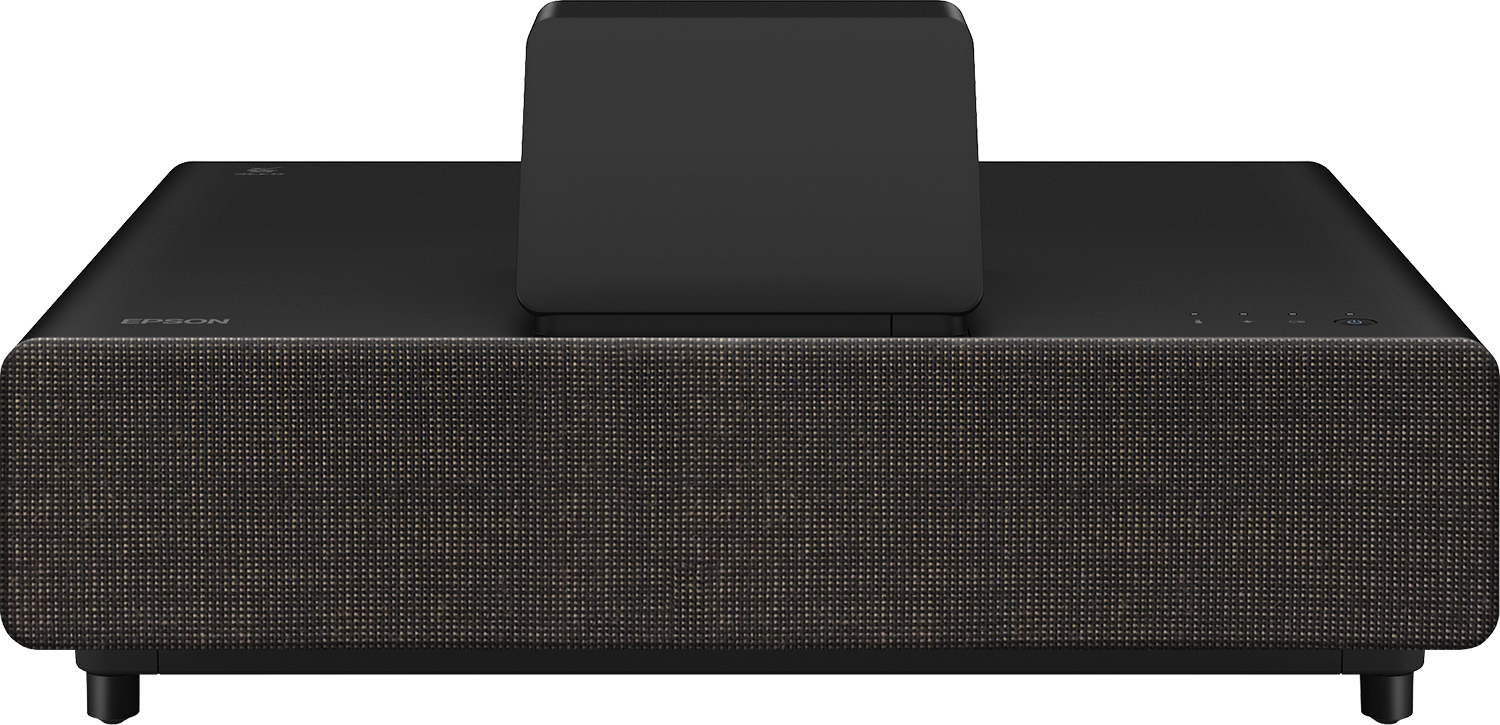
Home Cinema EH-LS500B
Home Cinema EH-LS500B—Score pending
Check price
View specs
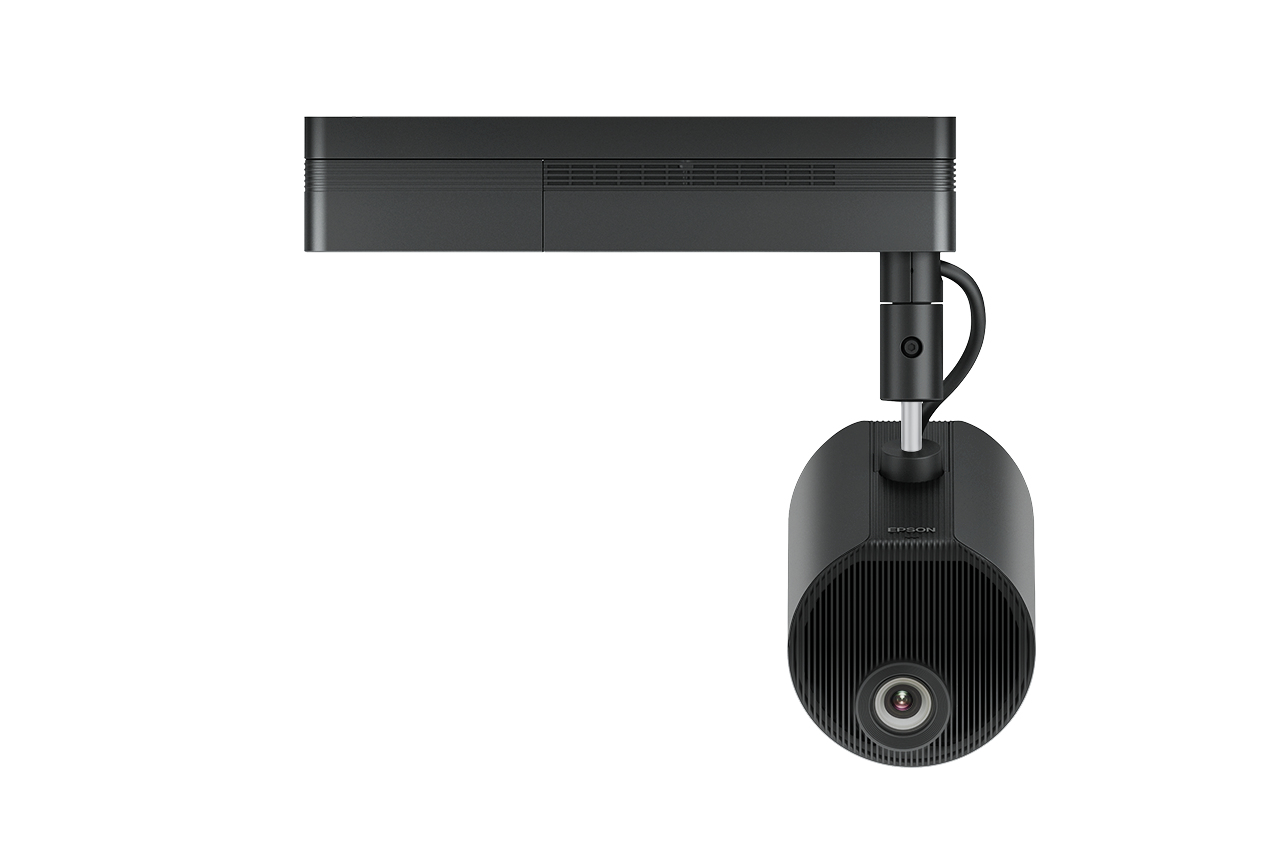
LightScene EV-115
LightScene EV-115—Score pending
Check price
View specs
The short verdict

Scores pending

We haven’t scored these yet. Use the measured differences and full specs below.

Home Cinema EH-LS500B
—
LightScene EV-115
—
Choose the Home Cinema EH-LS500B if
  • Living rooms that want a giant image without a ceiling mount.
Full specs →
Choose the LightScene EV-115 if
  • Lighter in the hand (5,000 vs 9,300 g)
Full specs →
At a glance

Key differences

Measured differences only. Ties and tiny gaps are left out.
Why pick theHome Cinema EH-LS500B1 win
+82%Brighter screen outdoors4,000 vs 2,200 nits peak
Check priceNo store price yet
Why pick theLightScene EV-1151 win
−4,300 gLighter in the hand5,000 vs 9,300 g
Check priceNo store price yet
Display10 differences
Brightness
4000 ANSI lumens
2200 ANSI lumens
Resolution
UHD 4K (3840x2160)
WXGA (1280x800)
Contrast ratio (dynamic)
2500000:1
5000000:1
Contrast ratio (typical)
2500000:1
2000:1
Control panel
0.62 inch with C2 Fine
0.59 inch with C2 Fine
Native aspect ratio
16:9
16:10
Projector brightness
4000 ANSI lumens
2200 ANSI lumens
Projector brightness (economic mode)
1200 ANSI lumens
1100 ANSI lumens
Projector native resolution
UHD 4K (3840x2160)
WXGA (1280x800)
Screen size compatibility
1651 - 3302 mm (65 - 130")
762 - 3810 mm (30 - 150")
Performance3 differences
Market Positioning
Home cinema
Business
Noise level
37 dB
34 dB
Product type
Ultra short throw projector
Standard throw projector
Storage relative humidity (H-H)
10 - 90%
10 - 90%
Storage temperature (T-T)
-10 - 60 °C
-10 - 60 °C
Camera2 differences
Video colour modes
Bright cinema, Cinema, Dynamic, Game
Dynamic, Standard
Zoom ratio
1.35:1
1.58:1
Battery & charging3 differences
Sleep power
0.5 W
0.4 W
Power consumption (economy mode)
230 W
112 W
Power consumption (typical)
366 W
149 W
Design7 differences
Weight
9300 g
5000 g
Depth
375 mm
110 mm
Height
228 mm
65 mm
Number of colours
1.07 billion colours
16.78 million colours
Package weight
13.3 kg
9.38 kg
Pallet weight (UK)
0 g
0 g
Placement
Desktop, TV cabinet
Ceiling, Floor, Lighting track, Wall
Width
458 mm
459 mm
Connectivity1 difference
HDMI ports quantity
1
1
Software support
via: AMX, Crestron (Network), Control4
via: Crestron (Network) · Crestron Integrated Partner · Crestron RoomView
USB 2.0 ports quantity
1
1
General18 differences
Box contents
Android TV dongle · CD Manual · Main unit
Cable cover · Direct mount unit · HDMI Cable Clamp
Card reader integrated
No
Yes
Focal length range
3.9 mm
18.2 - 28.4 mm
Focus
Manual
Motorized
Interface
USB 1.0-A · USB 2.0 Mini-B · RS-232C
USB 2.0-A · USB 2.0 Type B (Service Only) · Ethernet interface (100 Base-TX / 10 Base-T)
Keystone correction, horizontal
±3°
±40°
Keystone correction, vertical
±3°
±45°
Matrix size
1.57 cm (0.62")
1.5 cm (0.59")
Noise level (economic mode)
23 dB
22 dB
Operating temperature (T-T)
5 - 35 °C
5 - 40 °C
Other features
3D depth adjustment · 4K enhancement · Android TV
A/V mute · Auto Power On · Digital zoom
Package depth
590 mm
532 mm
Package height
340 mm
249 mm
Package width
531 mm
471 mm
Power consumption
293 Watt (Normal On-Mode) · 366 Watt (Normal Peak-mode) · 230 Watt (Eco Peak-Mode)
124 Watt (Normal On-Mode) · 149 Watt (Normal Peak-mode) · 112 Watt (Eco Peak-Mode)
Products per pallet (UK)
12 pc(s)
32 pc(s)
Security features
Kensington lock, Security cable hole
Wireless LAN security, Password protection
Throw ratio
0.27 - 0.37:1
1.38 - 2.19:1
Where to buy

Specs verified against manufacturer data. Prices in USD before tax; we may earn a commission from qualifying purchases.

Community

Which would you buy?

One vote per person. Results appear after you vote.