
Head to head · 2 projectors

EB-870Ei vs Home Cinema EH-LS500W

Verified specs side by side. The green tick marks the better value on each measurable row.

Comparing 2 projectors
EB-870Ei
EB-870Ei—Score pending
Check price
View specs
Home Cinema EH-LS500W
Home Cinema EH-LS500W—Score pending
Check price
View specs
The short verdict

Scores pending

We haven’t scored these yet. Use the measured differences and full specs below.

EB-870Ei
—
Home Cinema EH-LS500W
—
Choose the EB-870Ei if
  • Brighter screen outdoors (5,000 vs 4,000 nits peak)
  • Lighter in the hand (7,200 vs 9,300 g)
Full specs →
Home Cinema EH-LS500W
    Full specs →
    At a glance

    Key differences

    Measured differences only. Ties and tiny gaps are left out.
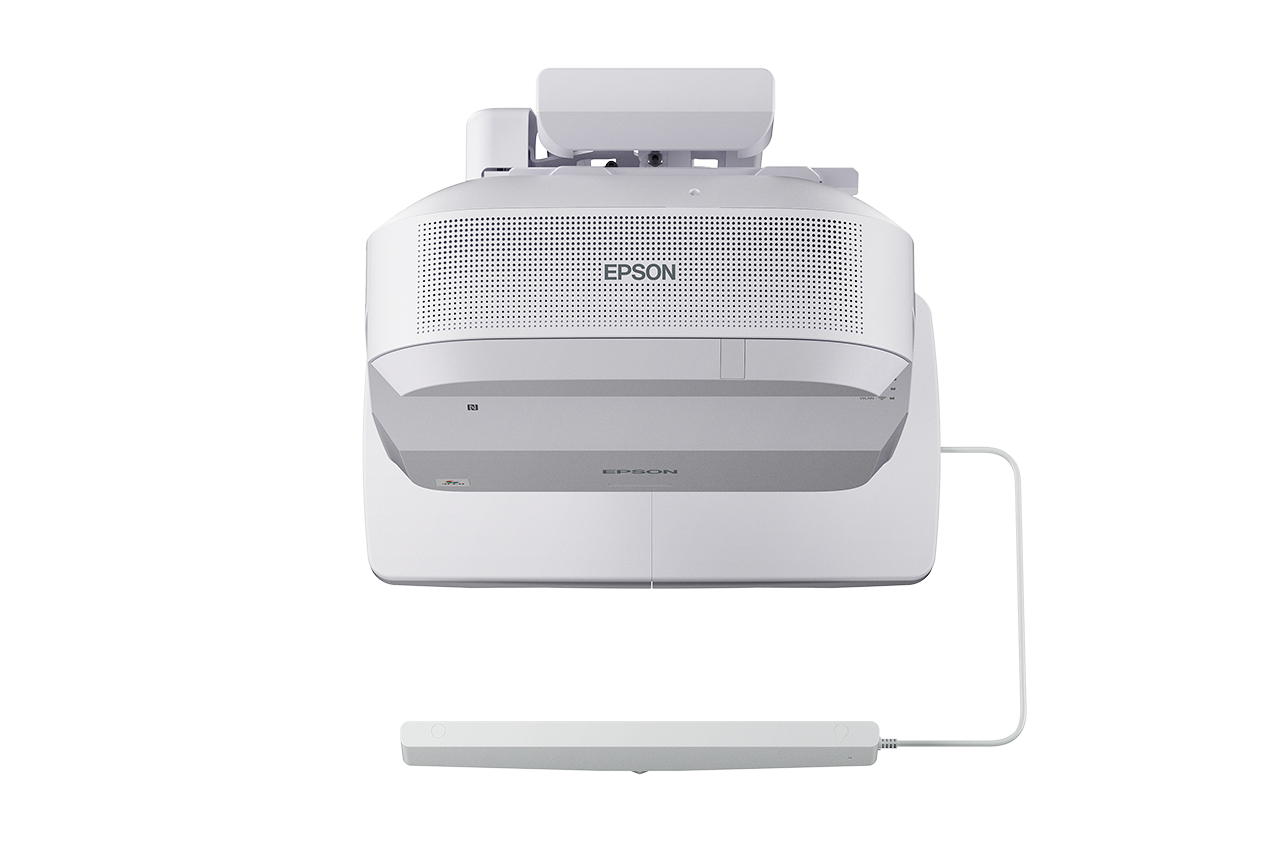
    Why pick theEB-870Ei2 wins
    +25%Brighter screen outdoors5,000 vs 4,000 nits peak
    −2,100 gLighter in the hand7,200 vs 9,300 g
    Check priceNo store price yet
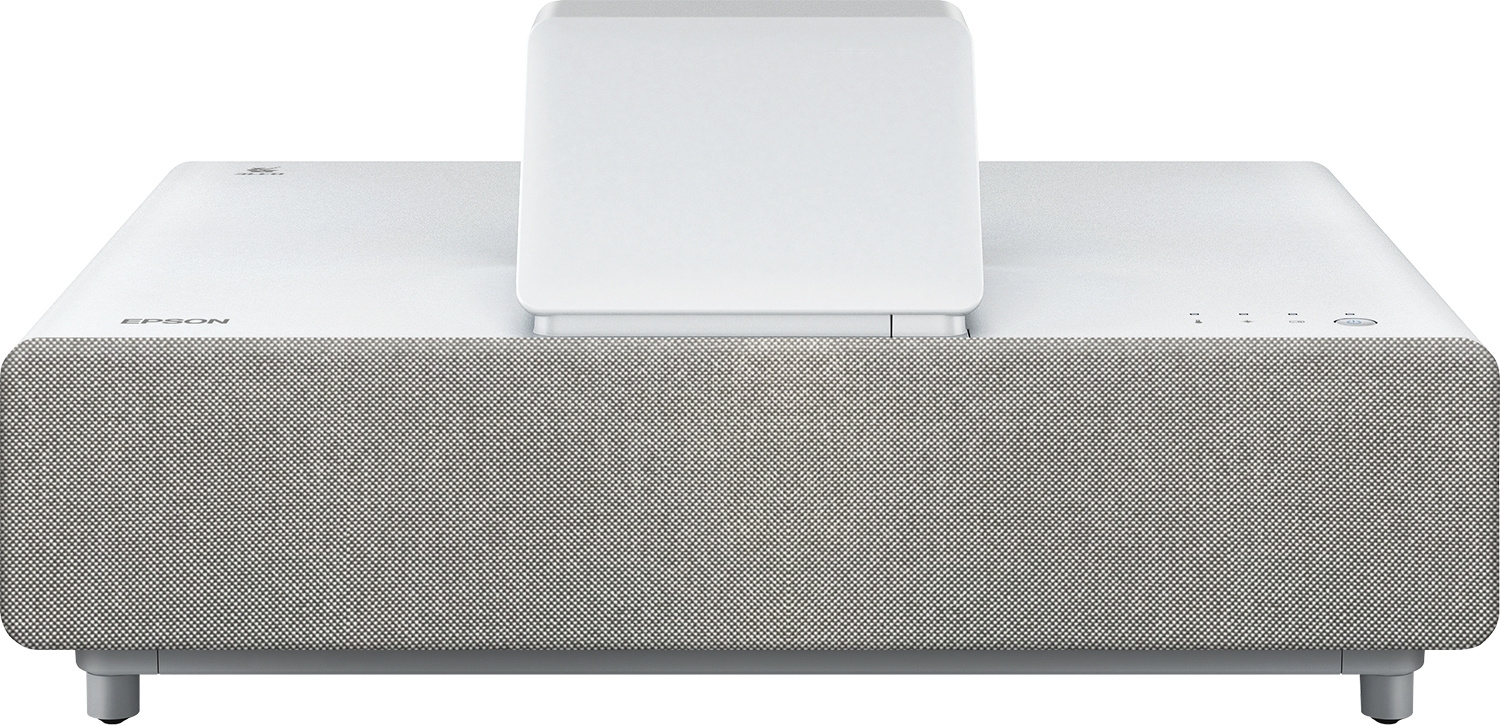
    Why pick theHome Cinema EH-LS500W0 wins
    No measured advantages in our spec data. Check the full specs below.
    Check priceNo store price yet
    Display7 differences
    Brightness
    5000 ANSI lumens
    4000 ANSI lumens
    Resolution
    1080p (1920x1080)
    UHD 4K (3840x2160)
    Contrast ratio (dynamic)
    5000000:1
    2500000:1
    Projector brightness
    5000 ANSI lumens
    4000 ANSI lumens
    Projector brightness (economic mode)
    3600 ANSI lumens
    1200 ANSI lumens
    Projector native resolution
    1080p (1920x1080)
    UHD 4K (3840x2160)
    Screen size compatibility
    1524 - 3302 mm (60 - 130")
    1651 - 3302 mm (65 - 130")
    Performance3 differences
    Market Positioning
    Education
    Home cinema
    Noise level
    33 dB
    37 dB
    Storage relative humidity (H-H)
    45 - 85%
    10 - 90%
    Storage temperature (T-T)
    -10 - 60 °C
    -10 - 60 °C
    Camera2 differences
    F-number (relative aperture)
    1.6
    1.5
    Video colour modes
    Blackboard · Cinema · DICOM simulation mode
    Bright cinema, Cinema, Dynamic, Game
    Zoom ratio
    1.35:1
    1.35:1
    Battery & charging2 differences
    Power consumption (economy mode)
    205.3 W
    230 W
    Power consumption (typical)
    245.2 W
    366 W
    Design5 differences
    Weight
    7200 g
    9300 g
    Depth
    395 mm
    375 mm
    Height
    139 mm
    228 mm
    Placement
    Ceiling, Wall
    Desktop, TV cabinet
    Width
    376 mm
    458 mm
    Connectivity1 difference
    HDMI ports quantity
    3
    1
    General12 differences
    3D
    No
    Yes
    Box contents
    2 x Pen tip(Teflon) · Information sheet · Interactive pen
    Android TV dongle · CD Manual · Main unit
    Country Of Origin
    Philippines
    China
    Fixed focal length
    3.7 mm
    3.9 mm
    Focal length range
    3.7 mm
    3.9 mm
    Interface
    USB 2.0-A (2x) · USB 2.0 Type B (Service Only) · USB 2.0 Mini-B
    USB 1.0-A · USB 2.0 Mini-B · RS-232C
    Noise level (economic mode)
    25 dB
    23 dB
    Other features
    21:9 aspect ratio support · A/V mute · Arc Correction
    3D depth adjustment · 4K enhancement · Android TV
    Power consumption
    245.2 Watt (Normal On-Mode) · 205.3 Watt (Eco On-Mode) · 311.9 Watt (Normal Peak-mode)
    293 Watt (Normal On-Mode) · 366 Watt (Normal Peak-mode) · 230 Watt (Eco Peak-Mode)
    RMS rated power
    16 W
    10 W
    Security features
    Kensington lock · Control panel lock · Password lock
    Kensington lock, Security cable hole
    Throw ratio
    0.25 - 0.35:1
    0.27 - 0.37:1
    Where to buy

    Specs verified against manufacturer data. Prices in USD before tax; we may earn a commission from qualifying purchases.

    Community

    Which would you buy?

    One vote per person. Results appear after you vote.